
Understanding the Essential Techniques and Tools
Dethatching is an important process for keeping your lawn healthy. It involves removing the layer of dead grass, roots, and debris that can build up on your lawn over time. When this layer gets too thick, it can prevent water, air, and nutrients from reaching the soil. Landscapers use a variety of tools to tackle this task efficiently. These tools not only make the job easier but also ensure that the lawn remains in good condition after dethatching.
The Importance of Proper Dethatching
Proper dethatching is crucial for several reasons. Firstly, it allows your lawn to breathe by improving air circulation to the roots. This helps the grass grow thicker and healthier. Secondly, it enhances water absorption, ensuring that the grass receives adequate moisture. Thirdly, dethatching reduces the risk of lawn diseases by removing the materials that can harbor harmful fungi and pests.
Tools Commonly Used by Landscapers
Landscapers have a variety of tools at their disposal to perform lawn dethatching effectively. Some of these include:
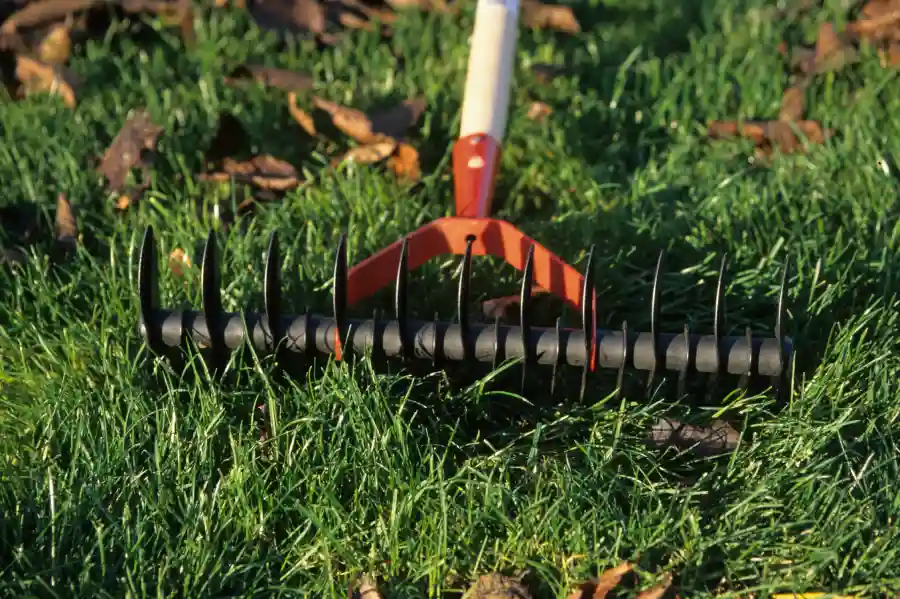
- Rakes: Basic hand tools ideal for small areas or light thatch layers.
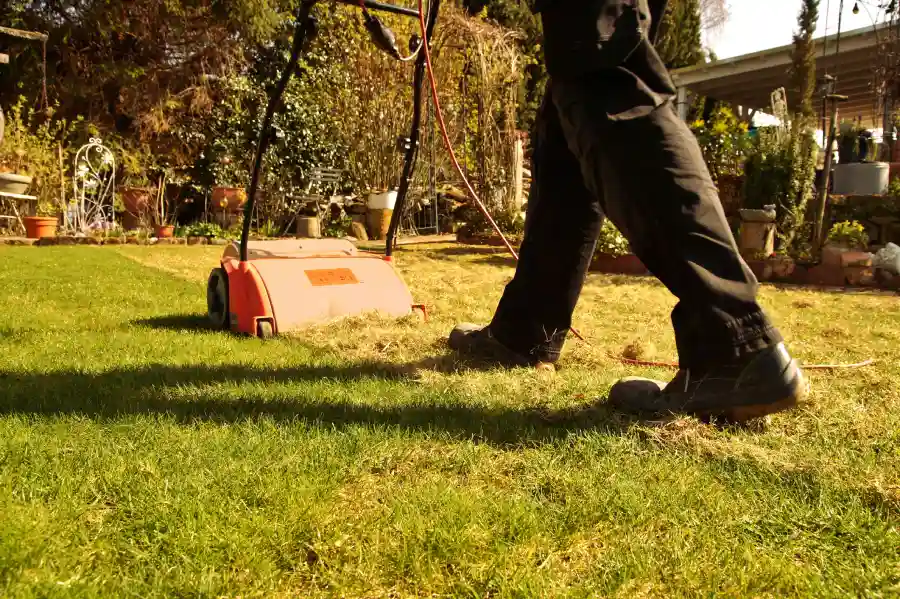
- Dethatching Machines: Motorized equipment designed for larger lawns; they remove thatch quickly with minimal effort.
- Aerators: Although primarily used for aeration, they help break up minor thatch while enhancing soil compaction.
These tools make the process quicker and more efficient, saving both time and labor.
Tackling Common Challenges
Lawn dethatching can present challenges such as uneven removal or damage to healthy grass if done improperly. To avoid these issues, landscapers often test a small area first. They adjust the settings on machines to suit specific lawn conditions, thereby preventing unintended harm. Another common challenge is selecting the right tool for the job, which depends on factors like lawn size and thickness of the thatch layer.
Steps to Effective Dethatching
- Evaluate Your Lawn: Check the thickness of the thatch and decide if dethatching is necessary.
- Select Appropriate Tools: Choose between manual rakes or motorized machines based on your lawn’s needs.
- Dethatch Carefully: Work methodically across the lawn to ensure even coverage without damaging healthy grass.
- Clean Up: Remove all thatch debris to prevent further buildup and maintain lawn health.
Following these steps ensures a well-maintained lawn post-dethatching.
Tips for Best Practices
To achieve optimal results, landscapers recommend dethatching during the growing season when grass can recover quickly. It’s also advisable to mow your lawn slightly shorter than usual before starting. Watering your lawn after dethatching aids recovery and stimulates new growth. Regular checks on thatch levels throughout the year help schedule timely interventions.
Considerations Before Starting
Before you begin, consider your budget and time constraints. Hiring professional services might be cost-effective if you lack experience or resources. Evaluate your long-term goals for lawn health when deciding on DIY vs. professional options. Understanding these factors helps in making informed choices about maintaining your lawn’s appearance and vitality.
Your Path to a Healthier Lawn With Expert Help
Your journey toward a lush, healthy lawn begins with understanding how effective dethatching plays a role. At Elements Lawn Care and Exterior Services LLC, we offer expert guidance and top-notch services to enhance your yard’s beauty. Whether you’re in Roosevelt, UT or elsewhere, give us a call at (435) 233-2145 for personalized advice tailored to your landscape needs today!