
Essential Steps and Considerations for a Thriving Lawn
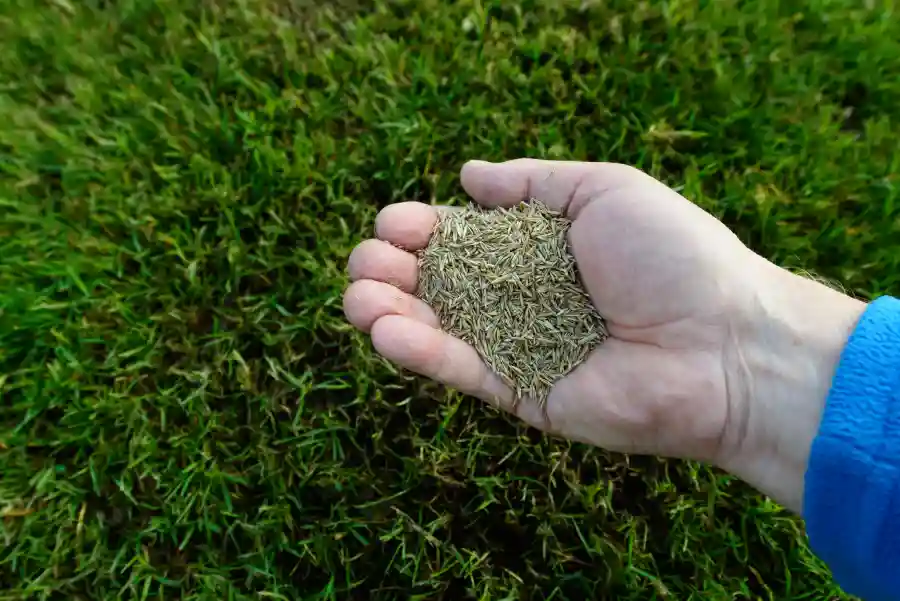
Reseeding your lawn is an important step to ensure it remains lush and healthy after the process of dethatching. This preparation phase is crucial because it sets the stage for new grass growth, leading to a more robust and vibrant lawn. In this guide, we will explore key steps and considerations to help you properly prepare your lawn for reseeding after dethatching.
Why Dethatching Matters
Lawn dethatching plays a vital role in maintaining the health of your lawn. Thatch is a layer of dead grass, roots, and debris that can build up over time. When it becomes too thick, it prevents water, air, and nutrients from reaching the soil. By removing this layer, you allow these essential elements to penetrate the ground, providing a better environment for new seed growth.
The Benefits of Proper Preparation
After completing lawn dethatching, it’s important to prepare your lawn correctly for reseeding. Proper preparation increases the chances of successful germination and minimizes weed competition. Additionally, it improves soil texture, allowing seeds to establish strong root systems.
Addressing Soil Compaction
One common challenge after dethatching is dealing with soil compaction. Compacted soil can hinder seed growth by restricting root penetration. To address this issue, consider aerating your lawn before reseeding. Aeration involves perforating the soil with small holes to improve air circulation and nutrient absorption.
Steps for Successful Reseeding
- Select the right type of grass seed for your climate and soil.
- Aerate the lawn to alleviate soil compaction.
- Spread a thin layer of topsoil or compost to enrich the soil.
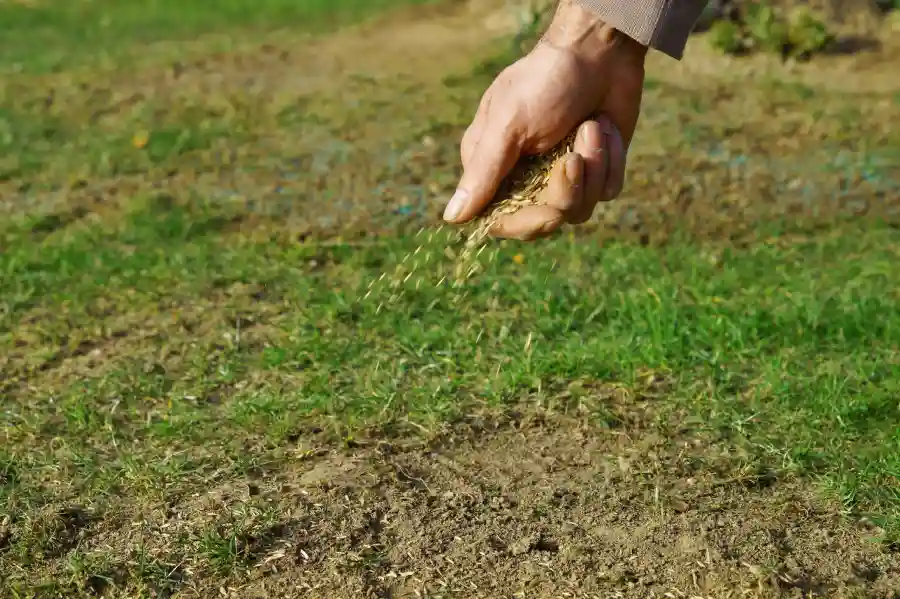
- Sow the seeds evenly across the prepared area.
- Water thoroughly but gently to avoid washing away seeds.
Tackling Weeds and Pests
Weeds and pests can pose significant challenges when reseeding your lawn. Before spreading seed, take measures to control existing weeds using non-selective herbicides. Similarly, addressing pest issues ensures that young grass seedlings are not damaged during their early stages of development.
Best Practices for Lawn Care Post-Reseeding
Caring for your lawn doesn’t end after reseeding; follow these best practices to help your new grass thrive:
- Keep the newly seeded area moist until germination occurs.
- Avoid heavy foot traffic while the grass establishes itself.
- Mow carefully once grass reaches about three inches in height.
- Fertilize with a balanced product suited for new lawns.
Cost Considerations in Lawn Maintenance
When planning for lawn maintenance, it’s essential to consider costs associated with equipment rental, seed purchase, and potential professional services. Investing in quality materials and tools can lead to long-term savings by reducing future repair needs and enhancing overall lawn health.
Ensuring Long-Term Lawn Health With Proper Care
Maintaining a beautiful lawn requires consistent care and attention. Regular activities like mowing, watering, and fertilizing contribute significantly towards sustaining its beauty over time. Implementing these practices alongside periodic dethatching ensures that your yard continues looking its best year-round.
Your Partner in Achieving a Lush Lawn
For expert guidance on preparing your lawn after dethatching, contact us at (435) 233-2145. Our team at Elements Lawn Care and Exterior Services LLC provides professional advice based on years of experience in Roosevelt, UT. Let us help you achieve the vibrant green space you’ve always wanted through our tailored solutions designed specifically for success!